Introduction
The watch industry in May 2026 reflects a dynamic fusion of cutting-edge technology, sustainable practices, and nostalgic design reimagined. For B2B buyers—including OEM Watch partners, distributors, retailers, and microbrands—understanding these evolving trends is crucial for strategic sourcing and product development. This analysis delves into the defining characteristics of popular timepieces, material innovations, color palettes, and essential strategies for identifying reliable manufacturers and customizing best-selling designs.
Defining the 2026 Watch Landscape: What's Driving Demand?
The current horological climate emphasizes hybrid functionality. Watches seamlessly integrating traditional craftsmanship with smart features (like health tracking via advanced sensors or seamless connectivity) dominate consumer interest. Sustainability is no longer a niche concern but a core expectation, influencing materials and manufacturing processes. There's a resurgence of neo-vintage aesthetics, where classic designs from the mid-20th century are reinterpreted with modern materials and proportions. Microbrands continue to disrupt the market with highly focused offerings, leveraging direct-to-consumer models---
Popular models share distinct characteristics:
- Modularity: Interchangeable components (bezels, straps) allow for personalization, driving accessory sales.
- Material Contrast: Combinations like recycled titanium cases with ceramic bezels or sustainably sourced wood accents create visual and tactile appeal.
- Enhanced Legibility: High-contrast dials with luminescent materials (Super-LumiNova X2 variants) and clean typography are paramount.
- Thin Profiles: Advancements in movement technology enable slimmer mechanical and hybrid watches without sacrificing power reserve or durability.
- **Robust Water 100m+ resistance is increasingly standard, even in dressier styles, reflecting active lifestyles.
The Palette of Popularity: Dominant Color Trends
Color choices reveal a sophisticated duality:
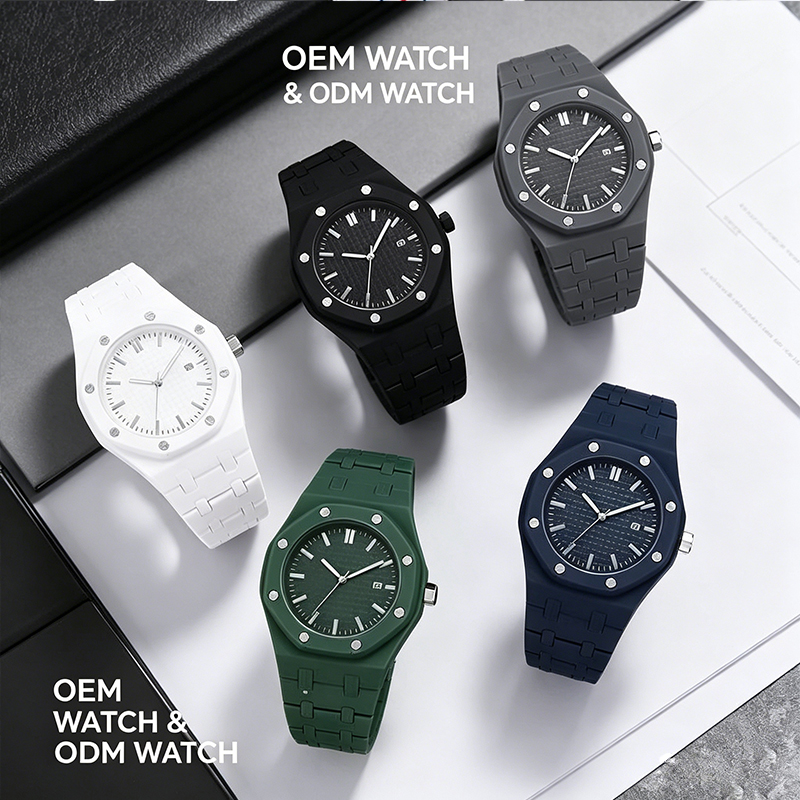
- Earthy Neutrals: Deep terracottas, olive greens, and mineral grays provide a grounded, nature-inspired base. These colors often utilize matte or textured finishes.
- Energetic Accents: Pops of vibrant color—teal, burnt orange, or deep burgundy—appear on seconds hands, bezel markings, or strap stitching, adding dynamism against neutral backgrounds.
- Monochromatic Schemes: All-black or all-silver "stealth" looks remain strong, particularly in tech-integrated models, often achieved through DLC (Diamond-Like Carbon) or PVD coatings.
Material & Craftsmanship Innovations Shaping 2026
Material science and finishing techniques are pivotal:
- Sustainable Metals: Recycled stainless steel and titanium, along with traceable origin certifications, are standard requirements for ethical brands. Innovations in bio-based alloys are emerging.
- Advanced Ceramics & Composites: Beyond black/white, colored ceramics offer scratch resistance and unique aesthetics. Carbon fiber composites provide lightweight strength.
- Transparency Elements: Sapphire crystal exhibition casebacks are common, and some models feature partial sapphire dials or bezels, showcasing intricate mechanics.
- Textured Dials: Techniques like grained, meteorite-inspired, or frosted finishes add depth and uniqueness under various lighting conditions.
- Artisan Straps: Beyond leather and metal, expect woven recycled PET, plant-based leathers (apple, mushroom), and innovative technical textiles dominating strap trends, demanding expertise from specialized strap manufacturers.
Sourcing requires a strategic approach:
- Trade Shows & Virtual Events: Prioritize events focused on component suppliers and OEM/ODM manufacturers (e.g., Hong Kong Watch factory tours are valuable.
- Industry Directories & Platforms: Utilize specialized B2B platforms connecting buyers with verified watch component manufacturers and assembly houses. Look for profiles emphasizing trend adaptability.
- Deep Due Diligence: Beyond basic certifications (ISO 9001), scrutinize:
- Design & Prototyping Capabilities: Can they translate trend concepts into viable prototypes quickly?
- Material Sourcing Ethics: Proof of sustainable material supply chains.
- Movement Sourcing: Relationships with reliable movement manufacturers (Swiss, Japanese, or emerging high-quality alternatives).
- Quality Control Processes: Rigorous in resistance, timekeeping accuracy, and durability. Ask for sample testing reports.
- Scalability & Flexibility: Ability to handle MOQs suitable for microbrands and larger retailers, and adapt to custom requests.
- Specialized Partners: For complex components (straps, clasps, specialized dials), identify and build relationships with niche manufacturers known for quality and innovation.
Customizing Watch with 2026's Winning Elements: The OEM/ODM Process
Leveraging trends through customization involves clear steps:
- Concept & Brief: Define the core trend elements to incorporate (e.g., neo-vintage case shape, hybrid module, specific color/material combo). Provide detailed mood boards and technical specifications.
- Partner Selection: Engage manufacturers (like BESSERON) with proven expertise in the desired style and technology. Assess their R&D capability for unique features.
- Collaborative Design & Prototyping: Work closely on CAD designs. Expect multiple prototype iterations focusing on aesthetics, functionality, and manufacturability.
- Material Sourcing & Validation: Confirm material availability, sustainability credentials, and performance characteristics.
- Production Planning: Agree on timelines, QC checkpoints, packaging, and logistics. Ensure the manufacturer has robust systems for component traceability.
- Quality Assurance: Implement stringent pre-shipment inspections aligned with brand standards and target market regulations.
Reliable manufacturers exhibit distinct traits:
- Vertical Integration: Control over key processes (machining, dial making, assembly, QC) ensures quality and timeline management. Partners like BESSERON often excel here.
- Proven R&D Investment: Demonstrated capacity to develop new movements, materials, or technologies in-house or through strategic partnerships.
- Agile Production Systems: Ability to efficiently manage both small-batch custom orders and larger production runs without compromising quality.
- Transparent Communication & Project Management: Dedicated account managers, clear reporting, and proactive issue resolution.
- Comprehensive After-Sales Support: Provisions for servicing, warranty fulfillment, and spare parts availability, crucial for retailers and repair networks.
- Ethical & Sustainable Operations: Commitment to responsible labor practices and environmental stewardship throughout the supply chain.
Partnering Beyond Assembly: The Ecosystem (Straps, Services, Distribution)
Success requires leveraging a network:
- Specialized Strap & Accessory Makers: Collaborate with innovators in sustainable and technical strap materials to offer complementary products.
- Repair & Service Networks: For distributors and retailers, establishing relationships with certified watch service centers ensures customer satisfaction post-purchase.
- Logistics & Fulfillment: Partner with specialists experienced in high-value, precision goods for global distribution.
- Component Suppliers: Build direct lines to suppliers of high-quality crystals, crowns, tubes, and clasps for consistency and backup.
FAQ: 2026 Watch Trends & Sourcing
Q1: How can I verify a potential watch manufacturer's ability to handle hybrid (mechanical + smart) watch production? A: Request detailed case studies or samples of previous hybrid projects. Inquire specifically about their expertise in integrating modules, ensuring EMI shielding doesn't impact mechanical performance, battery management, and software/firmware partnerships or capabilities. Assess their testing protocols for both the mechanical movement accuracy and the electronic functions under various conditions.
Q2: Are Minimum Order Quantities (MOQs) for trend-focused watches typically higher? A: Not necessarily. While large-scale production has standard MOQs, many forward-thinking manufacturers, catering especially to microbrands and design-focused brands, offer significantly lower MOQs for trend-driven pieces, recognizing the need for agility. This often comes with a slightly higher per-unit cost but allows for market testing and specialization. Clearly communicate your expected volume range upfront.
Q3: What's the lead time typically like for customizing a watch with 2026's popular elements? A: Lead times vary greatly based on complexity. A design using existing case/dial templates but new colors/materials might take 3-5 months from final approval. A completely new design incorporating novel materials or complex tech integration could extend to 8-12 months or more, factoring in prototyping, tooling, material sourcing, and rigorous testing. Partner with manufacturers known for efficient project management.
Q4: How are distributors and retailers adapting their inventory strategies for these fast-evolving trends? A: Successful players are adopting more dynamic approaches: shorter initial buys complemented by strong reorder capabilities from agile suppliers, curated collections emphasizing unique design stories (like sustainability or specific complications), strong relationships with flexible manufacturers is key to this strategy.
Q5: Beyond aesthetics, what functional "trend" should repair service providers prepare for? A: The rise of hybrid watches necessitates training and tooling for servicing electronic components alongside traditional mechanical parts. Understanding battery replacement protocols, basic module diagnostics, and software update procedures (where applicable) will be increasingly important. Sourcing parts for these modules also requires new supplier relationships.


