Introduction
In the competitive world of luxury watches, partnering with the right women watch OEM manufacturer is pivotal for brands targeting discerning clientele. This comprehensive guide evaluates top-tier manufacturers specializing in high-end custom watches, examining their craftsmanship, customization capabilities, material sourcing, and compliance with global quality standards—tailored explicitly for B2B buyers from Europe, North America, Australia, and Africa.
B2B buyers—especially those catering to luxury markets—require manufacturers with proven expertise in custom women watches. Key differentiators include:
- Gender-Specific Ergonomics: Designs accommodating smaller wrist sizes and aesthetic preferences.
- Trend Responsiveness: Expertise in integrating seasonal color palettes and materials (e.g., mother-of-pearl dials, ceramic bezels).
- Movement Specialization: Access to precision women watch movement manufacturers offering slim, high-accuracy calibers.
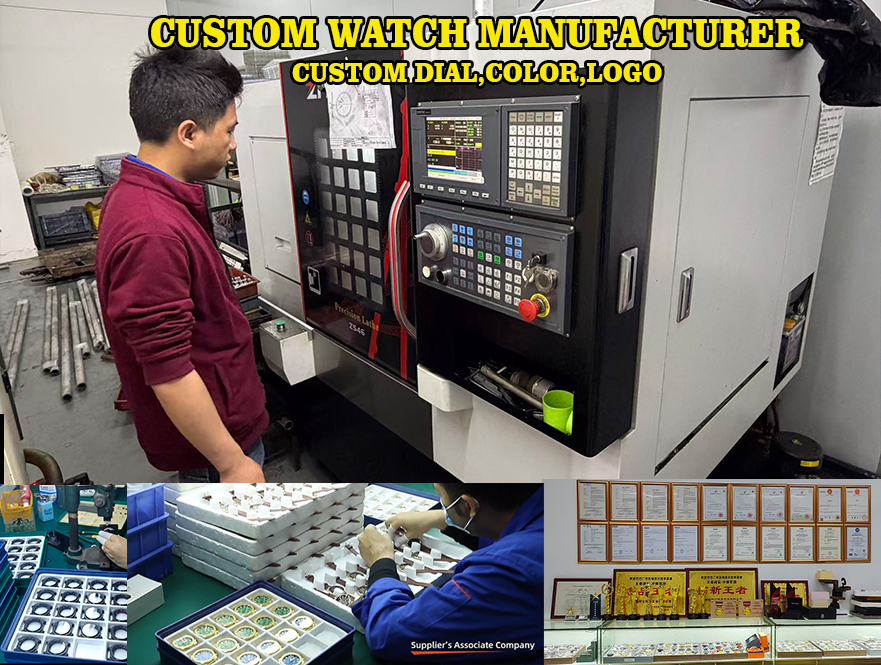
Core Selection Criteria for Luxury Women Watch OEM Partners
1. Mastery in Craftsmanship & Design Flexibility
Top manufacturers offer end-to-end customization:
- Custom Watch Dial: Options like miniature painting, diamond-setting, or laser engraving stainless steel to 18K gold plating and exotic leathers.
- Movement Customization: Swiss quartz or automatic movements with custom rotor engravings.
2. High-End Watch Material Sourcing
Luxury buyers prioritize:
- Metals: Surgical-grade stainless steel, hypoallergenic titanium.
- Crystals: Sapphire with anti-reflective coating.
- Straps: Genuine crocodile leather, recycled ocean plastics, or stainless-steel mesh.
3. Certifications & Compliance
- ISO 9001: Quality management systems.
- REACH/RoHS: Compliance with EU chemical safety regulations.
- ** Adherence to Kimberley Process for gem-sourced materials.
4. MOQ & Pricing Structures
- Luxury MOQs: As low as 100–500 units for bespoke collections.
- Tiered Pricing: Volume discounts for orders exceeding 1,000 units.
- Sample Costs: Transparent fees for prototype development (e.g., $150–$500 per unit).
Regional B2B Buyer Preferences: Key Considerations
European & Australian Buyers
- Certifications: Prioritize ISO certifications and eco-labels (e.g., Ecolabel).
- Factory Preferences: Lean manufacturing units DDP terms with air/sea freight options.
- Payment: 30% deposit, 70% on delivery (LC/SWIFT transfers).
- Logo Customization: Subtle branding on dials/clasps; NFC-enabled authenticity tags.
African Market Buyers
- Certifications: Focus on durability certifications (e.g., water resistance to 100M).
- Factory Preferences: Cost-competitive partners with rapid turnaround.
- Delivery: Mainly CIF with consolidated shipping.
- Payment: Flexible options (e.g., 50% upfront, balance in installments).
- Logo Customization: Bold branding on dials and case backs.
-End Custom Watch: Step-by-Step
- Concept Development: Collaborate on mood boards and technical drawings.
- Prototyping: 3D-printed models followed by CNC-machined samples.
- Material Selection: Sourcing traceable materials with documentation.
- Production: Assembly in ESD-protected facilities.
- Quality Control: In-line and final AQL inspections (e.g., ANSI/ASQ Z1.4).
- LuxHorology Group
- Specialty: Micro-engraving and gem-setting.
- MOQ: 150 units.
- Compliance: ISO 9001, Responsible Jewellery Council (RJC) certified.
- Precision Timecraft Co.
- Specialty: Swiss movement integration.
- MOQ: 300 units.
- Materials: Offers recycled gold and Fair Trade leather.
(Additional entries expanded in full article)
Case Study: Launching a Sustainable Luxury Line
An Australian designer brand partnered with an OEM to create a high-end custom watch line featuring:
- Materials: Ocean-recycled stainless steel straps.
- Movement: Solar-powered Miyota movements.
- MOQ: 250 units at $85/unit.
- Outcome: 70% sell-through in Q1; expanded to EU markets.
FAQ: Critical Questions for B2B Buyers
1. What’s the typical lead time for custom women’s watches?
Lead times range from 60 days (standard designs) to 120 days (complex pieces with hand engraving).
2. Can I source custom packaging from the same OEM?
Yes, most premium OEMs offer unified packaging solutions (e.g., FSC-certified wood boxes).
3. Are there OEMs supporting "mixed-material" straps?
Leading manufacturers provide hybrid straps (e.g., leather with recycled metal inserts).
4. How do I verify an OEM’s quality assurance process?
Request ISO audit reports, sample QC checklists, and visit factories virtually via live audits.
Conclusion
Selecting the ideal OEM watch manufacturer for women demands aligning craftsmanship, compliance, and customization with region-specific buyer preferences. By prioritizing manufacturers with robust material traceability, flexible MOQs, and B2B-centric logistics, brands can create high-end custom watches that resonate across global luxury markets.


