
With modern supply chains and digital marketing, watch microbrands can now go to market at a fraction of traditional costs.
This guide is designed for B2B buyers — distributors, retailers, and OEM partners — who want to build a competitive watch brand from scratch.
Today’s watch market is dominated by three key segments:
Heritage & Retro Styles
Vintage‑inspired designs (diver, pilot watches)
Sports & Tool Watches
Durability‑focused (200m+ water resistance, GMT functions)
Smart & Hybrid Tech
Traditional aesthetics + health tracking
💡 Actionable Tip:
Use tools like Google Trends and WatchRecon to analyze search volume and secondary market demand.
For B2B buyers, niche targeting reduces competition — for example:
“Vintage military watches for offshore oil rig workers”
|
Demographic |
Psychographic |
Purchase Drivers |
|---|---|---|
|
Age 30–45, Male‑dominated |
Collectors, outdoor enthusiasts |
Craftsmanship, exclusivity, brand story |
|
Age 25–40, Unisex |
Tech adopters, fitness‑focused |
Functionality, battery life, app integration |
Case Study:
Islander Watches captured the affordable luxuryniche by targeting entry‑level collectors via OEM partnerships with Seiko‑powered movements.
Consumers pay premiums for authenticity.
Example:
Weiss Watch Company highlights American assembly and heritage machining techniques, justifying $1,500+ price points.
Logo: Vector‑based (SVG format) for scalability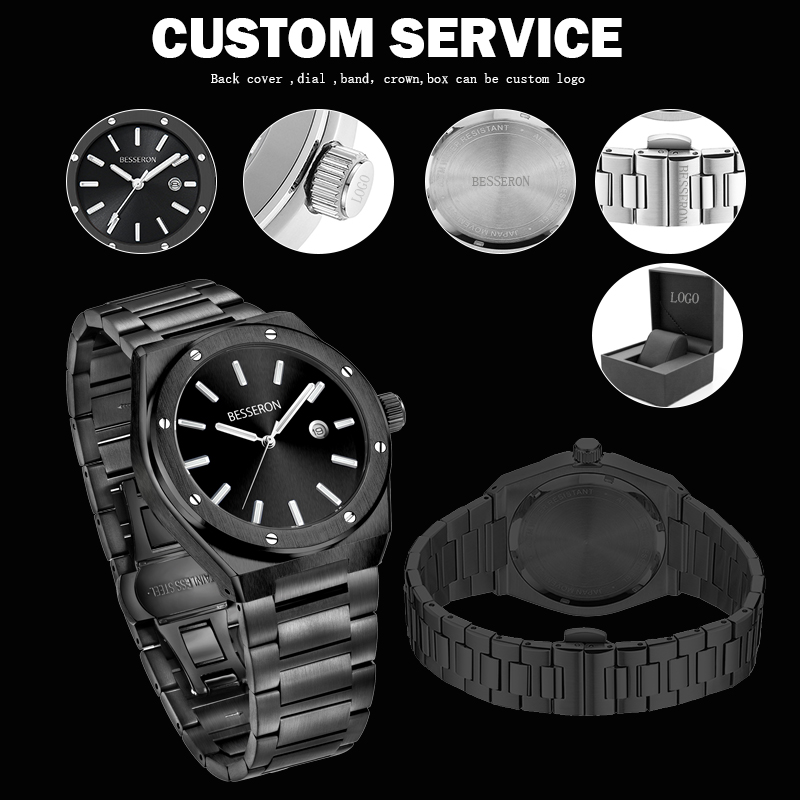
Typography:
Serif fonts → heritage brands
Sans‑serif → tech‑oriented labels
Color Palette:
Navy / gold → luxury
Matte black / orange → tool watches
🛠 Pro Tip:
Hire designers from 99designs or Dribbble specializing in horology.
Ensure trademark clearance via USPTO or EUIPO.
|
Type |
Pros |
Cons |
Best For |
|---|---|---|---|
|
Swiss ETA / Sellita |
High prestige, reliability |
MOQ 500+, long lead times |
Luxury microbrands |
|
Japanese Miyota / Seiko |
Cost‑effective, robust |
Lower perceived value |
Entry‑level brands |
|
Chinese Seagull / PTS |
Ultra‑low cost |
Inconsistent QC |
Budget‑focused projects |
Sampling:
3D renders → CNC prototypes → functional test units
QC Metrics:
Water resistance (±10% tolerance)
Power reserve (±5 hours)
Lume intensity (measured in candela)
📌 B2B Insight:
Negotiate MOQ flexibility by prepaying 30% of tooling costs.
Use platforms like Alibaba Gold Supplier or Sourcify for vetted manufacturers.
Materials:
FSC‑certified wood boxes vs. recycled PET felt (saves ~40%)
Custom Inserts:
Laser‑engraved foam cutouts for watch + accessories
Extras:
Signed warranty cards, microfiber cloths, spring bar tools
📊 ROI Data:
Brands like Farer report 22% higher retention rates with custom packaging.
Platforms:
Kickstarter → tech / design‑focused
Indiegogo → flexible funding
Stretch Goals:
Tiered unlocks (e.g., “At $100K: add sapphire casebacks”)
B2B Leverage:
Wholesale tiers (e.g., “Retailer Package: 50 units at 40% discount”)
Instagram: Lifestyle shots (mountains, oceans) + technical close‑ups
Pinterest: SEO‑optimized boards (“Automatic Dive Watches Under $500”)
LinkedIn: Target jewelry buyers via sponsored posts
1. What’s the minimum startup capital?
Expect 50,000 for a 200‑unit run:
$15K manufacturing (MOQ 100 units)
$5K packaging
$10K marketing/assets
$5K trademarks/legal
2. Can individuals register a watch brand trademark?
Yes. File under Class 14 (horology/precious metals) via WIPO Madrid System (~$2,500 for 5 countries).
3. How to find reliable OEM partners?
Vet suppliers via:
Industry referrals (Watchuseek forums)
Factory audits (SGS reports)
Sample benchmarking (test 3+ vendors)
4. What margins can retailers expect?
Microbrands: 50–60% markup
Luxury brands: 100–120% markup
5. How to handle repairs/warranties?
Partner with regional service centers like Alliance Watchmakers or Swiss Service Network.
Cost: 10/unit for 2‑year coverage.
Building a watch brand is a calculated process — not a gamble.
By leveraging OEM/ODM efficiencies and digital outreach, microbrands and B2B partners can scale profitable private label portfolios with controlled risk.

