Watch Manufacturing Services Explained: OEM/ODM Watch Guide for B2B Brands & Buyers
A Comprehensive For B2B buyers in the luxury watch, microbrand, and retail sectors, partnering with a watch manufacturer isn't just about assembly—it's about navigating a complex ecosystem of design, engineering, compliance, and supply chain orchestration.
Missteps in selecting manufacturing services can lead to costly delays, quality failures, or intellectual property risks. This guide demystifies the end-to-end process, empowering brands to make strategic decisions that align with commercial objectives and quality expectations.
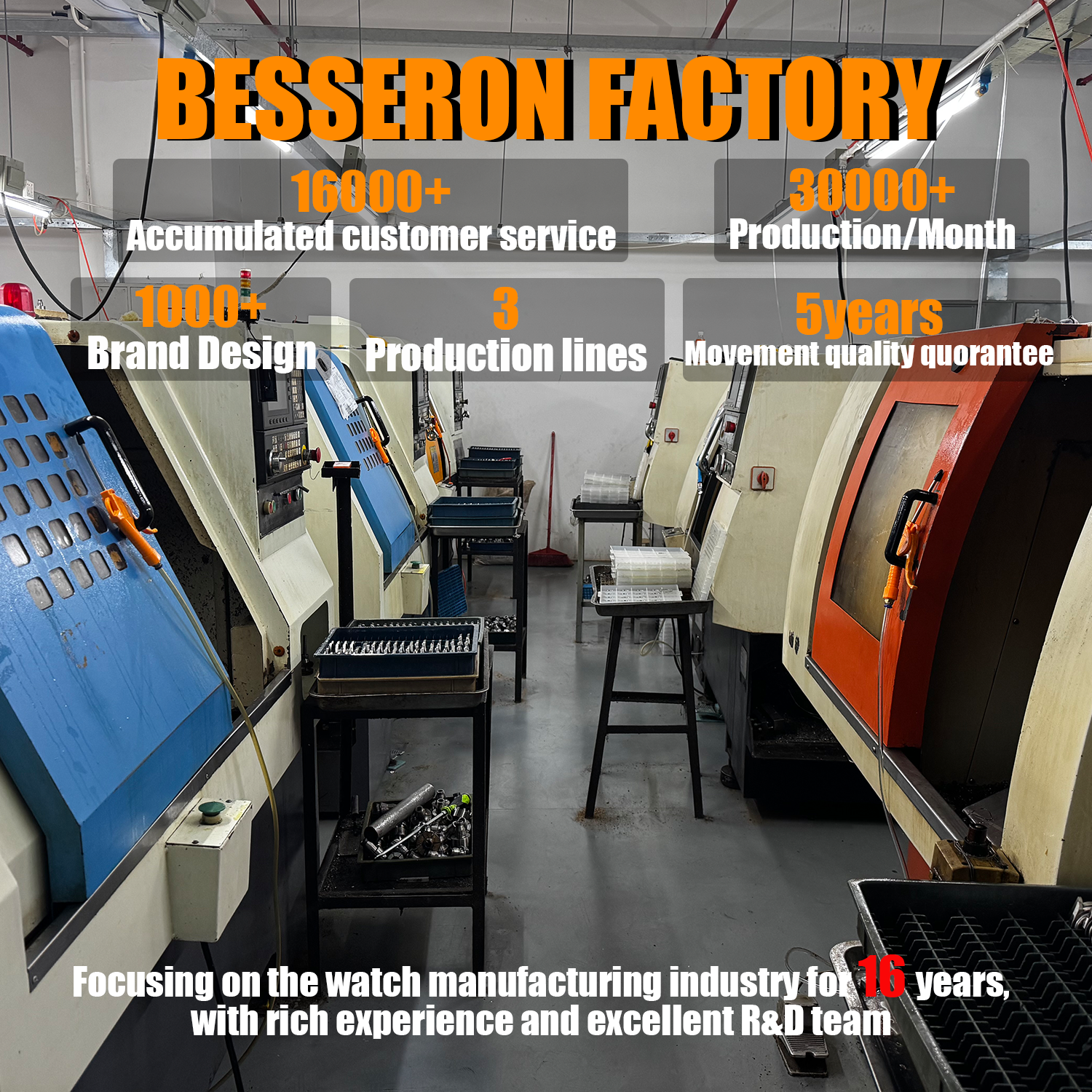 Why Understanding Watch Manufacturing Services Is Non-Negotiable for B2B Buyers
Modern watch manufacturing integrates over 200 precision components across disciplines like horology, materials science, and industrial design. B2B buyers (including distributors, retailers, and luxury brands) often underestimate the interdependencies:
- A 2025 industry survey revealed 68% of startups faced production delays due to underestimating certification timelines (e.g., ISO 9001, CE).
- Supply chain disruptions can inflate costs by 15-40% when factories lack vertical integration for critical parts like movements or sapphire crystals.
- Case Study: An Australian microbrand reduced defect rates by 90% by switching from an assembly-focused OEM to a full-service ODM with in-house prototyping labs.
▶ OEM (Original Equipment Manufacturing)
Ideal for buyers with complete technical specifications. Factories execute blueprints but provide minimal design input. Best for:
- Established brands replicating existing designs
- Retailers ordering bulk quantities of standardized models
▶ ODM (Original Design Manufacturing)
Manufacturers co-develop designs recently helped a New York designer launch a patented anti-magnetic mechanism within 8 months. Value adds include:
- Material innovation (e.g., ceramic composites, recycled stainless steel)
- Movement customization (Miyota/Seiko modifications)
- CAD simulation and rapid prototyping
▶ OBM (Original Brand Manufacturing)
End-to-end solutions covering branding, marketing, and distribution. Preferred by e-commerce platforms launching private labels.
The 7-Phase Production Workflow: From Sketch to Shipment
- **Design Validation 3D modeling & FEA stress analysis
- Material compatibility testing
- Prototyping
- CNC-machined pre-series samples (avg. 4 iterations)
- Water resistance certification (ISO 22810)
- Small-Batch Pilot Run
- 50-500 units to test assembly line efficiency
- Tolerance calibration (±0.05mm for luxury cases)
- Full-Scale Production
- Sourcing traceability for conflict-free minerals
-Regulatory Compliance**
- RoHS (hazardous substances)
- REACH (chemical safety)
- FCC/CE (electromagnetic compliance for smartwatches)
- Packaging & Branding
- Sustainable materials (FSC-certified wood, bioplastics)
- Anti-counterfeit holograms/NFC tags
- Logistics Optimization
- JIT delivery for retailers
- Customs brokerage support
Vetting Manufacturers: 5 Critical Evaluation Criteria
① Certifications Beyond Basics
Prioritize factories with:
- ISO 14001 (environmental management)
- SA8000 (ethical labor)
- Industry-specific credentials like FH Group membership
② Niche Experience Alignment
- Luxury brands: Seek manufacturers with complications expertise (tourbillons, perpetual calendars)
- Microbrands: Verify experience with sub-500 MOQ batches
- Distributors: Confirm multi-region compliance capabilities
③ Transparent Cost Structures
| Cost Component | OEM Model | ODM Model |
| Tooling (molds) | $2K-$20K | Included |
| Certification | Buyer-funded | Shared |
| IP Protection | Limited | Built-in NDAs |
Hidden fees often comprise 12-18% of quotes, including sample revisions and documentation.
④ Responsiveness Metrics
Demand evidence of:
- 24-hour technical query resolution
- Bi-weekly production progress reports
- On-site audits (e.g., via third parties like SGS)
⑤ Scalability Safeguards
- Multi-factory production clusters to mitigate geopolitical risks
- Buffer inventory for high-demand components (e.g., Swiss movements)
Navigating B2B Buyer Pain Points: Customization vs. Compliance
▶ Logo Customization
High-end brands increasingly request:
- Laser engraving depth ≥ 0.3mm for longevity
- PVD-coated logos matching case finishes
▶ Certification Complexities
European buyers face evolving requirements:
- 2027 EU Battery Regulation mandates replaceable cells
- California Prop 65 affects dial lume material choices
▶ Payment Term Negotiations
Top factories offer hybrid models:
- 30% deposit, 70% pre-shipment (standard)
- LC with inspection clauses for orders >$100K
5 Critical FAQs for Watch B2B Buyers
Q: What are realistic MOQs for premium watch production?
A: Tier-1 manufacturers accept 200-500 units for mechanical watches, but smartwatch MOQs start at 1K due to PCB sourcing.
Q: How do you protect design IP during manufacturing?
A: Legally binding NDA frameworks + segregated production lines. Some EU factories implement blockchain-based IP tracking.
Q: Can manufacturers handle bespoke complications?
A: Yes, but lead times increase by 30-60 days. Expect $15K-$50K R&D investment for novel mechanisms.
Q: What packaging standards do luxury buyers expect?
A: Minimum requirements:
- 300gsm rigid boxes with soft-touch lamination
- IP67-rated waterproof case inserts
- Serialized security seals
A: Reputable partners provide:
- Air freight subsidies for urgent orders
- Bonded warehousing to avoid port congestion
Download our Free Watch Manufacturing Service Checklist for B2B Buyers
Get a risk-free quote tailored to your brand’s technical specifications and compliance needs.

 Why Understanding Watch Manufacturing Services Is Non-Negotiable for B2B Buyers
