The Concept of the design of your watch. The Face Of Design Your Watch, The Case of Design Your Watch, The Watch Strap or Watch Bracelet, Design your watch hands and spikes. Design your watch crown.
In the modern world, a watch is no longer just a time-telling device. It has evolved into a statement piece, a symbol of personal
watch style, and a blend of functionality and aesthetics.
Designing your watch is an exciting journey that allows you to bring together various elements to create a unique timepiece that is truly yours.
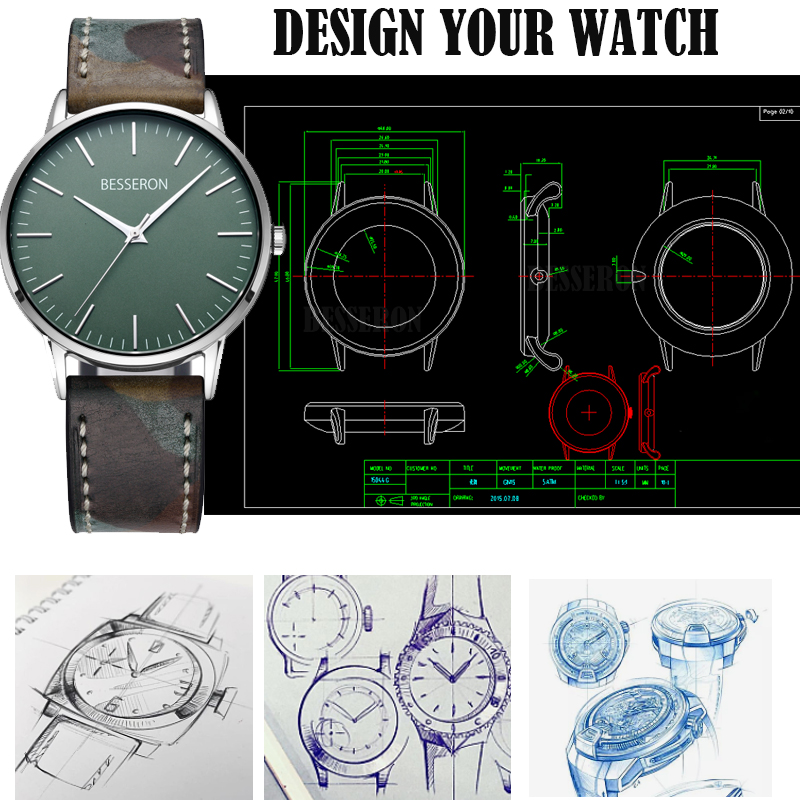 I. The Concept of the design of your watch
The first step in
designing your watch is to define the concept. Are you aiming for a classic, timeless look? Or perhaps a modern, futuristic design? Maybe you want a sporty watch for your active lifestyle or a luxurious piece for special occasions. You might consider elements such as a simple round face, Roman numerals, and a leather strap for a classic
watch design. A modern-style watch could feature a square or rectangular face, a minimalist dial with just the essential time - indicating hands and digits, and a metal or silicone strap.
If you are into sports, your watch concept could include features like a large, easy-to-read display, a stopwatch function, and a durable, water-resistant case.
For a luxury watch, think about precious metals like gold or platinum, a diamond-studded bezel, and a high-quality leather or metal bracelet.
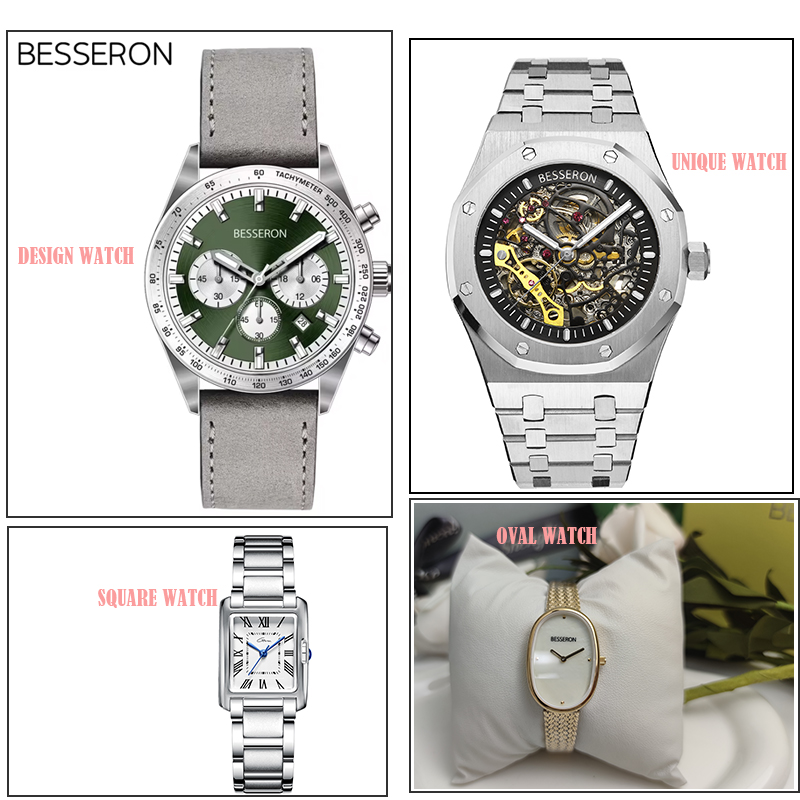
II. The Face Of Design Your WatchThe face of the watch is the most visible part and plays a crucial role in its overall design. You can choose from different shapes such as round, square, oval, or hexagonal. The size of the face also matters. A
larger watch face can make a bold statement and is often preferred for
men's watches, while a smaller, more delicate face is suitable for a feminine or minimalist look watch.
The dial design is another important aspect. You can opt for a simple, uncluttered dial with just the time-showing elements or a more complex one with additional features like a date window, a second-hand sub-dial, or a world-time indicator. The color of the dial can range from classic white or black to more vibrant hues like blue, green, or red, depending on your personal taste.
The
hands of the watch are like the hands of a dancer, gracefully indicating the time. They can be thin and elegant or thick and bold. You can choose different styles of hands, such as skeleton hands for a more mechanical look or luminescent hands for better visibility in the dark.
III. The Case of Design Your WatchThe case of the watch not only protects the internal mechanism but also contributes to its aesthetic appeal. Materials for the watch case can include stainless steel, titanium, ceramic, or precious metals. Stainless steel is a popular choice for its durability and affordability. Titanium is lightweight and corrosion-resistant, making it ideal for sports watches. Ceramic cases offer a smooth, scratch-resistant surface and a unique look.
The shape of the case can be round, square, or something more unique like a tonneau or cushion shape. The thickness of the case also varies depending on the type of movement (mechanical or quartz) and the additional features included.
A mechanical watch with a complex movement may require a thicker case to accommodate all the components.
 IV. The Watch Strap or Watch Bracelet
The strap or bracelet is what connects the watch to your wrist and can significantly impact the overall look and feel of the watch. Leather straps are classic and give a warm, sophisticated touch. They come in different colors and textures, such as smooth calfskin or textured ostrich leather.
Metal bracelets, on the other hand, are more durable and often associated with a modern or luxury look. They can be made of stainless steel, gold, or a combination of metals.
For a sporty watch, a silicone or rubber strap is a great choice as it is comfortable, flexible, and water-resistant.
You can also consider alternative materials like fabric or Nato-style straps for a more casual and unique look. The width of the strap should be in proportion to the size of the
watch face.V. The Watch MovementThe movement is the heart of the watch. There are two main types:
quartz watches and mechanical watches. Quartz movements are more accurate and require less maintenance. They are powered by a battery and are often found in more affordable watches. Mechanical movements, on the other hand, are a work of art. They are powered by a spring-driven mechanism and require regular winding (in the case of manual-wind mechanical watches) or are self-winding through the movement of your wrist.
If you are interested in the mechanics and heritage of watchmaking, a mechanical movement might be the way to go. Some high-end mechanical watches also feature complications such as chronographs, moon-phase indicators, or perpetual calendars.
VI.Design your watch hands and spikesThere are several common
watch design styles and material choices to consider when designing watch hands and spikes:
Watch Hands Design
- Pencil hand: Shaped like the tip of a sharpened pencil, this type of hand has a simple design, is easy to read the time, and is suitable for filling with luminescent material. Breitling often extends the end of the pencil hand1.
- Stick hand: this kind of hand shape is direct and simple, commonly found in middle and low-grade belt watches. It can be divided into thick stick hand and thin stick hand. The thick stick hand is suitable for sports watches and military watches, while the thin stick hand is mostly used in watch models with simple disk design1.
- Willow Leaf Needle: The shape is wide in the center and narrow at both ends, with soft curves, suitable for vintage style dial design. Blancpain's Villeret collection uses skeletonized willow leaf hands1.
- Toffee hand: with an asymmetrical lozenge design, the head and tail of the hand are pointed, but the needle is thinner. Eye-catching and precise, this type of hand is commonly found in high-end brands such as Patek Philippe and Vacheron Constantin1.
- Rhombus: The needle is a symmetrical rhombus, between a toffee needle and a knife-shaped needle. Patek Philippe's Worldtimer series is a masterpiece of the rhombus1.
Watch Bracelet Designs Conventional pin: Common pin designs include Arabic numerals and Roman numerals. Arabic numerals are easy to read, while Roman numerals have a more vintage style. The color and material of the spikes can be gold or silver to match the color scheme of the dial2.
Special watch markings: Special markings can be added to the word pegs, such as midnight, cock-crowing, and Pingdan, to add a decorative and cultural touch to the dial. These
watch markings can use ancient scripts such as oracle bones to add to the artistic feel of the dial2.
Watch Material SelectionMetal Materials: Commonly used metal materials include stainless steel, gold, and platinum. Stainless steel is durable and affordable, while gold and platinum are more luxurious and upscale2.
Ceramic materials: Ceramic materials are lightweight, corrosion-resistant, and scratch-resistant, and can be made in a variety of colors to add to the beauty of the dial2.
Diamonds and other gemstones: setting diamonds or other gemstones on the word studs can significantly enhance the luxury and value of the watch2
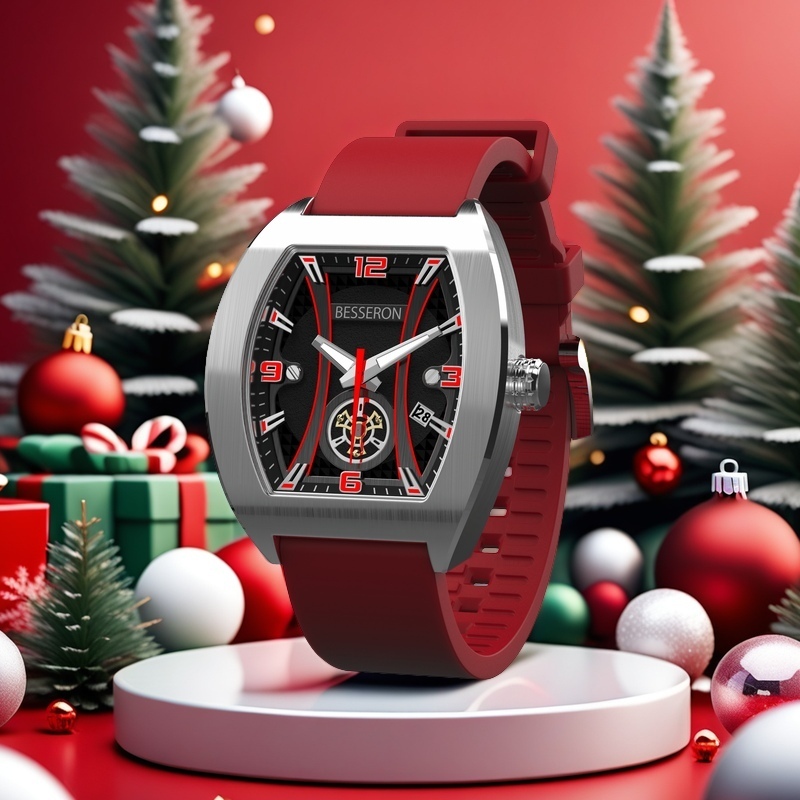
VII.Design your watch crownA
watch crown (also known as a crown or stem) is an important part of a watch, which is usually used to adjust the time and date, and sometimes to set other functions. When
designing a watch crown, the following aspects need to be considered.
1.
Watch Functionality: The
watch crown needs to be able to be easily rotated and pulled out so that the user can easily adjust the time and date. At the same time, it also needs to be strong enough to ensure that it will not loosen or fall off during use.
2.
Watch Aesthetics: The
watch design of the crown should be in harmony with the overall style of the watch, including material, color, and shape. For example, a high-end luxury watch may use a precious metal or gemstone inlaid crown to emphasize its noble quality.
3.
Watch Durability: The watch crown is one of the frequently used parts of the watch, so it needs to be durable enough. When choosing the material, you need to consider its wear-resistant, corrosion-resistant, and impact-resistant properties.
4.
Watch Ergonomics: The
watch design of the crown should be in line with ergonomics, and ensure that the user can use it easily. , to ensure that the user can easily and comfortably operate when using. For example, the shape and size of the crown should be suitable for most people's finger size, and easy to operate.
VIII. Personalization design watchTo truly
make the watch your own, you can add personalization elements. This could include engraving your initials or a special message on the back of the case. Some
watchmakers also offer custom-made dials with
personalized watch designs or colors. You can also choose
unique watch hands or a custom-made strap to match your individual style.
In conclusion,
designing your watch is a creative and fulfilling process. It allows you to combine your sense of style, functionality needs, and personal preferences into a single, wearable piece of art. Whether you are a
watch enthusiast or simply someone who wants a unique accessory, the possibilities are endless when it comes to
designing your watch.

